
What Is the Career Scope After a B.Sc. in Cardiac Perfusion Technology?
Home / MNR University / What Is the Career Scope After a B.Sc. in Cardiac Perfusion Technology?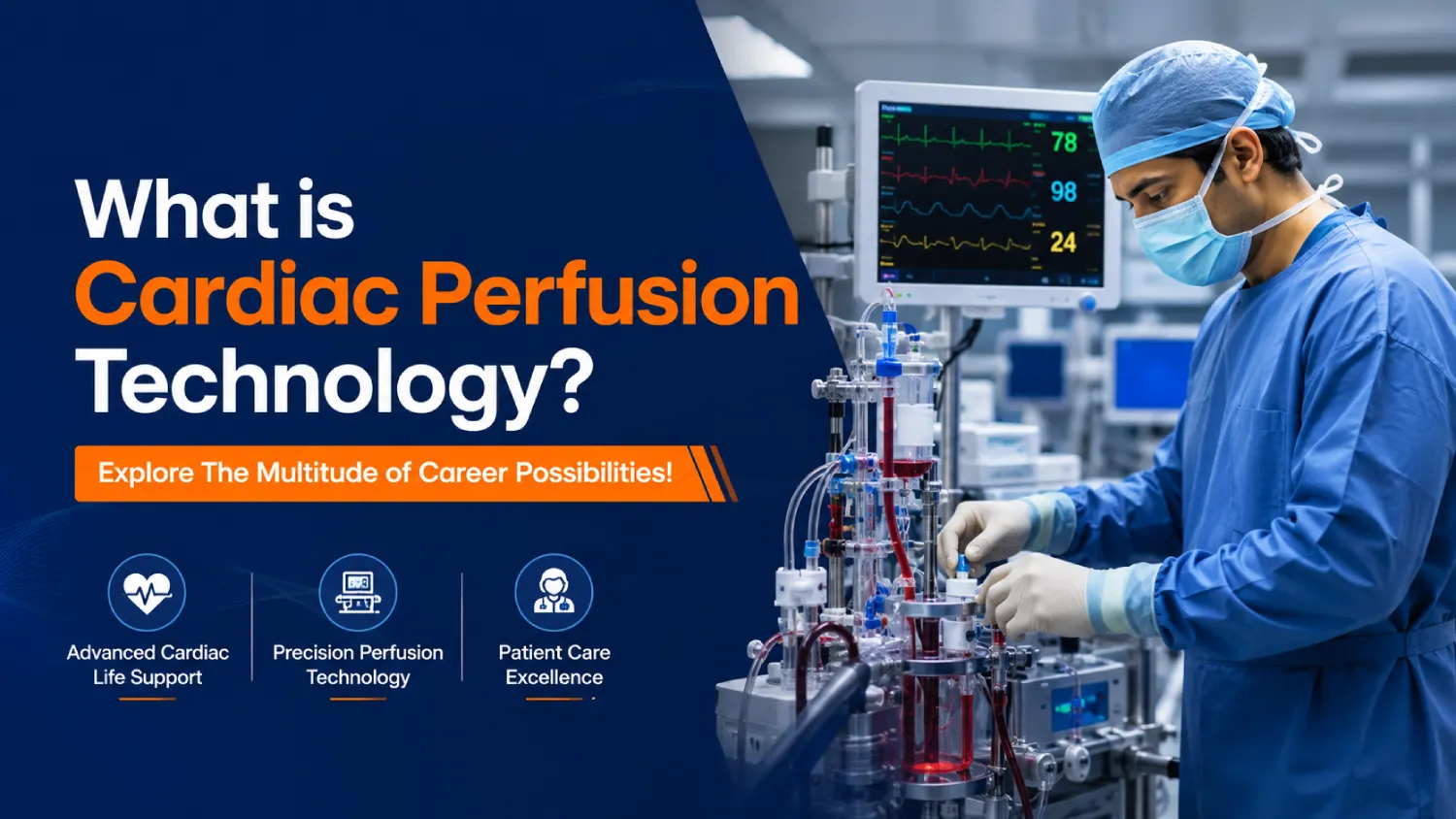
A B.Sc cardiac perfusion technology degree leads to one of the most trusted roles in modern hospitals. A perfusionist runs the heart-lung machine during open-heart surgery. This machine keeps blood and oxygen moving while a surgeon repairs the heart. No open-heart surgery can take place safely without a trained perfusionist beside the table.
So why do so many students across India pick this course? The reason is plain. Heart disease keeps rising, hospitals need skilled hands, and good perfusionists are hard to find. This gap brings steady jobs and strong pay for the right people.
This blog walks you through the full career scope after a B.Sc cardiac perfusion technology programme. You will learn what the course teaches, where graduates work, how much they earn, and why MNR University in Hyderabad is a smart place to begin. Students with big dreams and parents who worry about the road ahead will both find honest answers here.
What Does a Cardiac Perfusionist Actually Do?
A cardiac perfusionist is a heart-lung machine specialist. During surgery, the heart is stopped so the surgeon can work on it. The perfusionist then takes over the job of the heart and lungs through a machine. They add oxygen to the blood, remove waste gases, and control the flow of blood back into the body.
The work needs a steady mind and sharp focus. A small error can risk a life. This is why the field of cardiovascular perfusion technology trains students with deep care and long hours of practice.
A normal workday often starts early. The perfusionist checks the machine, tests the tubes, and sets up the circuit before the patient arrives. During the operation, they watch the monitors closely and keep talking with the surgeon. After surgery, they clean the system and write up clear records. It is careful, hands-on work that rewards people who stay alert and like solving real problems.
What Will You Study in This Course?
The cardiac perfusionist course blends science, technology, and patient care. Students learn how the heart and lungs work, how blood flows, and how machines support the body during surgery. At MNR University, the programme covers practical and modern topics.
- Emergency and critical care preparedness, so you learn to act fast during surgical crises.
- An applied curriculum that joins theory, diagnostics, and patient care.
- Workshops on advanced perfusion methods that match real hospital practice.
- Cardiac pharmacology, so you understand the drugs used during perfusion.
- Research exposure in cardiovascular sciences, with projects on heart lung innovations.
- Mentorship from skilled surgeons and perfusionists.
- Placement support and career guidance for hospital and research roles.
Who Can Apply for This Course?
The entry rules are simple and fair.
- You must pass 10+2 with the BiPC or MPC group from a recognised board.
- Students with a 2 or 3 year diploma in a related technology can also apply.
- Admission is based on merit or valid entrance scores at state, national, or international level.
- The minimum age is 17 years as of 31 December of the admission year.
How Is This Course Different From Other Medical Paths?
Many students confuse this course with MBBS or nursing. The path is not the same. A perfusionist does not study to become a doctor or a general nurse. Instead, you train for one focused skill: running the machines that support the heart and lungs during surgery.
This brings two clear gains. First, the course is shorter than MBBS and costs far less in time. Second, the skill is rare, so trained perfusionists face less crowding in the job market. For a student who likes machines, biology, and teamwork in an operation theatre, this path can fit better than a broad medical degree.
What Are the Career Options After This Degree?
The perfusionist career scope after B.Sc cardiac perfusion technology is wide and growing. Fresh graduates can step into many roles across hospitals, research, and industry.
- Clinical perfusionist in cardiac surgery units.
- ECMO specialist for critical and life support care.
- Cardiac care technician in intensive care units.
- Perfusion research associate in medical labs.
- Product specialist with firms that make perfusion devices.
- Teaching and academic roles after higher study.
Graduates also find work overseas, where trained perfusionists are in short supply.
How Much Can a Perfusionist Earn in India?
| Experience Level | Approx. Annual Salary (INR) | Source |
|---|---|---|
| Fresher / Entry Level | ₹2.5 lakh to ₹5 lakh | Shiksha |
| All India Average | ₹4.2 lakh to ₹4.8 lakh | Careers360 / Shiksha |
| Senior / Specialist | ₹10 lakh to ₹15 lakh and above | Salary.com |
| Full Reported Range | ₹0.3 lakh to ₹26 lakh | Shiksha / Careers360 |
Pay depends on skill, city, and hospital type. The table below shows common salary bands in India. All figures are in Indian Rupees per year. Pay grows fast with skill and ECMO training. Senior perfusionists in top private hospitals earn well above the average.
Why Is Demand for Perfusionists Growing?
Heart disease is now the top cause of death in India. The numbers explain the rising need for trained perfusionists.
| Indicator | Figure | Source |
|---|---|---|
| Share of deaths in India from heart and blood vessel disease | About 1 in 4 | AHA / Circulation |
| Estimated CVD cases in India (2016) | About 54.5 million | AHA / Circulation |
| CVD death rate in India | 272 per 100,000 | GBD / DCP3 |
| Global average CVD death rate | 235 per 100,000 | GBD / DCP3 |
As heart surgeries rise, hospitals need many more skilled perfusionists to support each operation.
Why Choose MNR University for This Course?
MNR University, Hyderabad, gives this course a strong base through its School of Medical Health and Allied Sciences. Here are the key strengths that students and parents value.
- Industry-aligned training with practical, hospital-ready content.
- Hands-on clinical exposure with experienced cardiac surgeons and perfusionists.
- Merit-based scholarships for the 2026 intake.
- Placement support and career guidance for hospital and research roles.
- A wide range of allied health programmes under one campus.
- Short international study tours for global exposure.
What Is the Future Scope of This Profession?
The future looks bright for skilled perfusionists. After the degree, you can study an M.Sc in perfusion or allied health science. You can also train further in ECMO, paediatric perfusion, or transplant support. Each step lifts your pay and your standing.
New machines and methods keep entering operation theatres. Hospitals want people who can learn and adapt. A B.Sc cardiac perfusion technology graduate who keeps learning will rarely run short of work.
Final Thoughts
A career as a perfusionist joins science, skill, and service. The role matters because it helps save lives every week. With heart disease on the rise, the demand for trained hands will only grow. A B.Sc cardiac perfusion technology degree from a focused campus like MNR University, Hyderabad, can be the first firm step on this path. For students who want a stable, respected, and well paid medical career, this course deserves a close look.
Frequently Asked Questions
It is a four-year undergraduate degree that trains students to operate the heart-lung machine during open-heart surgery. Graduates work as cardiac perfusionists who support the heart and lungs while a surgeon repairs the heart.
A cardiac perfusionist runs the heart-lung machine during surgery. They add oxygen to the blood, remove waste gases, and control blood flow so the patient stays stable while the surgeon works.
The B.Sc (Hons) in Cardiac & Perfusion Technology at MNR University, Hyderabad, runs for four years.
Students need a 10+2 pass in the BiPC or MPC group from a recognised board. A relevant 2 or 3-year diploma also qualifies. Admission is based on merit or valid entrance scores, and the minimum age is 17 years.
NEET is usually not mandatory for this allied health course. Admission is based on merit or a valid entrance test at state, national, or international level. Students should confirm the latest rule with the university.
Freshers can earn about ₹2.5 lakh to ₹5 lakh per year. The all India average is near ₹4.2 lakh to ₹4.8 lakh per year. Senior and specialist perfusionists earn ₹10 lakh to ₹15 lakh per year and above.
Graduates work as clinical perfusionists, ECMO specialists, cardiac care technicians, perfusion research associates, and product specialists with medical device companies.
Yes. Heart disease is the leading cause of death in India, so the need for trained perfusionists keeps growing. The role is respected, stable, and well paid for skilled workers.
Many countries face a shortage of trained perfusionists, which opens doors overseas. Each country has its own licence rules, so check the local requirements before you apply.
MNR University in Hyderabad is a strong choice in South India. It offers hospital-based training, experienced faculty, merit scholarships, and placement support for this course.
Related Blogs

Bachelor of Optometry (B.Optom) Course Details Explained
Stepping into the field of eye care sounds good, and the curiosity pertaining to the…

Re-NEET Toppers List 2026 Out: Aryan Gupta and Panshul Bansal Share AIR 1 with 715 Marks
The Re-NEET Toppers List 2026 is out. The National Testing Agency (NTA) declared the Re-NEET…

Emerging Science Careers in India: Degrees That Employers Will Value in the Next Decade
Science has always drawn curious minds. Yet the kind of science jobs that pay well…
Why Is B.Sc MLT One of the Fastest-Growing Healthcare Courses After Class 12?
Many students finish Class 12 with science subjects and wonder which healthcare course will give…

Why Industry-Connected Universities Give Students a Real Advantage
Young engineers graduate each year with spectacular qualifications, yet many wait months for that first…

Emerging Technology Careers and Engineering Pathways in 2026
Technology shapes every modern industry across the globe today. Students entering higher education look for…