
Advanced Ocular Therapeutics: Optometry in Laser and Virtual Reality
Home / School of Allied Sciences / Advanced Ocular Therapeutics: Optometry in Laser and Virtual Reality
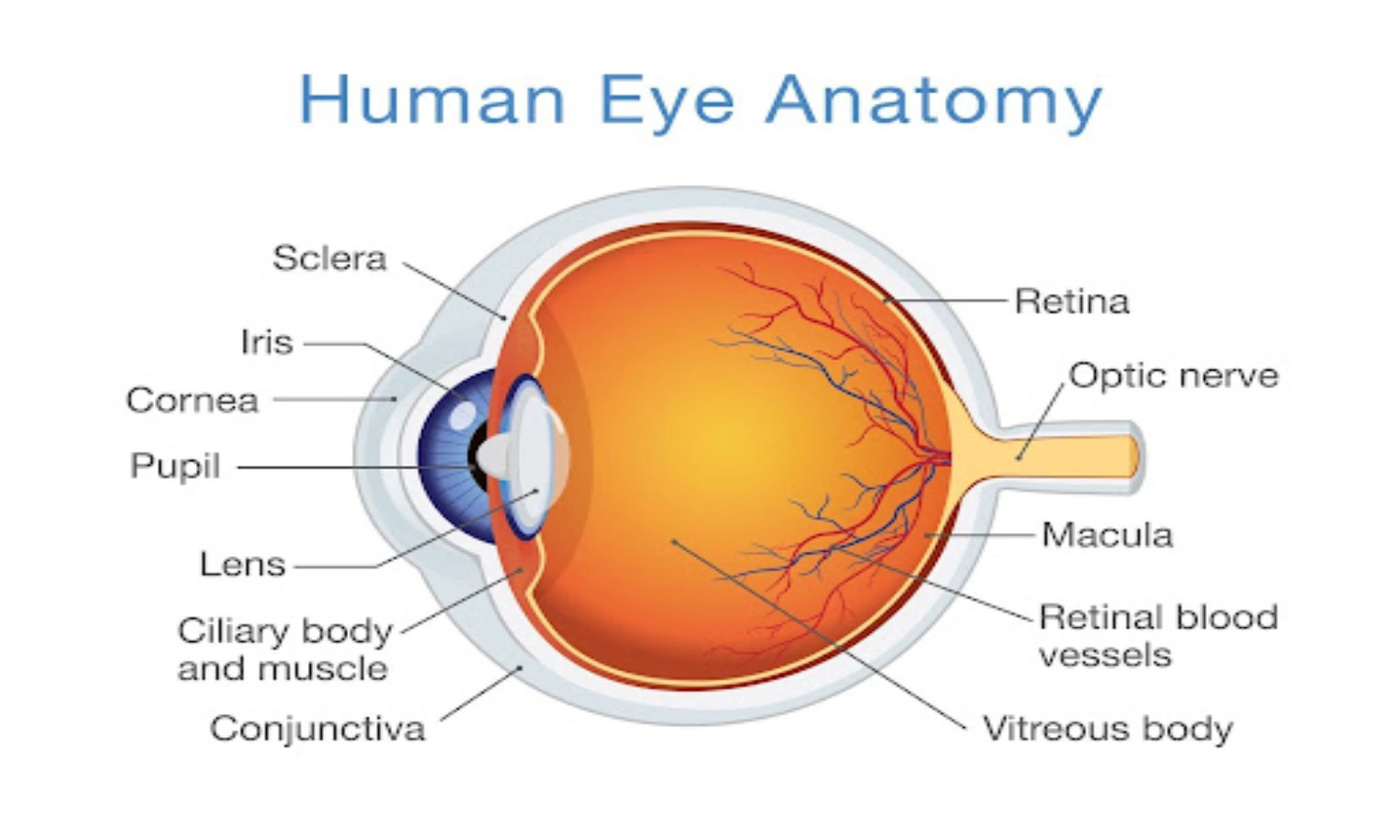
Human sight processes complex light patterns constantly, demanding absolute physical precision from our ocular systems. Modern medical science actively develops sophisticated optical interventions to maintain this delicate biological machinery. Clinical professionals now manipulate concentrated light beams to physically reshape human corneas and deploy digital simulations to rewire neural pathways. Students observe these technological shifts and recognise immediate professional avenues within specialised healthcare sectors. Mastering these therapeutic tools requires deep academic grounding in physics and human anatomy. The specific technical protocols involved present fascinating challenges for young minds seeking meaningful medical careers. Let us examine the precise educational frameworks shaping tomorrow’s vision specialists.
Why Do Modern Clinics Integrate Laser and Virtual Reality Therapies?
Traditional corrective lenses simply redirect incoming light paths externally. Contemporary clinical practice demands internal structural correction and active neural rehabilitation. Specialised lasers allow practitioners to ablate microscopic tissue layers, permanently altering the refractive angle of the cornea itself. Virtual reality systems operate on a completely different neurological level. These headsets project isolated digital environments to treat conditions like amblyopia by forcing weaker eyes to process distinct visual stimuli independently.
Regional technological infrastructure supports these clinical advancements directly. The Telangana state government initiatives actively position Hyderabad to become the next artificial intelligence city. This regional development provides unparalleled local access to advanced diagnostic software and digital rehabilitation tools.
| Clinical Approach | Standard Corrective Methods | Advanced Therapeutic Interventions |
| Refractive Error | Physicians prescribe external glass lenses for surface correction. | Surgeons utilise femtosecond lasers to reshape underlying tissue structures. |
| Strabismus Treatment | Patients wear physical eye patches to block dominant visual input. | Clinics deploy specialised virtual reality headsets for active binocular training. |
| Diagnostic Tracking | Practitioners rely on manual patient feedback during chart readings. | Systems capture continuous eye tracking data for precise progress mapping. |
What Technical Skills Define Advanced Ocular Professionals?
Operating high-energy medical equipment requires absolute functional competence. Rigorous Bachelor of Optometry course details highlight heavy emphasis on applied medical physics and strict safety protocols. Trainees learn the exact tissue vaporisation rates of different excimer laser wavelengths to prevent accidental retinal damage during procedures.
- Operators assess exact corneal thickness measurements using advanced topographic mapping software.
- Practitioners calibrate binocular disparity levels within digital headsets for pediatric rehabilitation.
- Clinicians monitor postoperative intraocular fluid tension to prevent secondary complications.
- Technicians program specific targeted light frequencies for selective laser trabeculoplasty treatments.
These precise operational capabilities separate standard visual technicians from advanced therapeutic specialists.
How Does the Optometry Curriculum Ensure Immediate Clinical Competence?
Healthcare facilities require graduates who possess immediate operational readiness. Top B.Sc Optometry colleges like the MNR University structure their syllabi so the curriculum enables learners to both learn and develop skills within the span of the degree. Students interface directly with therapeutic hardware during supervised clinical rotations rather than waiting for postgraduate internships. This direct approach strongly emphasises job-role-specific skill requirements from the initial foundational semesters.
Institutional reach extends these capabilities further through strategic academic networking. Direct academic partnerships with Cumberland University, Wayland Baptist University, Faulkner University, Campbellsville University, and St. Francis College expose students to global rehabilitation standards.
| Academic Progression | Core Theoretical Focus | Direct Clinical Application |
| Foundational Study | Students explore geometric optics and basic ocular pharmacology principles. | Trainees operate diagnostic slit lamps and measure basic intraocular fluid dynamics. |
| Intermediate Training | The coursework covers laser tissue interaction and digital stimulation theories. | Learners configure basic virtual reality rehabilitation scenarios for test subjects. |
| Advanced Placement | Senior classes analyse complex surgical outcomes and advanced neuropathology. | Interns assist senior surgeons during live corrective refractive procedures. |
What Career Trajectories Exist for Tech-Trained Vision Experts?
The proliferation of digital screens severely impacts the population’s eye health across all demographics. This fundamental societal shift creates massive demand for specialists capable of administering modern technological treatments. Reviewing the comprehensive Bachelor of Optometry course details reveals pathways leading directly into corporate surgical centres and dedicated pediatric rehabilitation clinics.
- Specialists manage dedicated laser calibration departments within major national hospital networks.
- Therapists operate independent clinical practices focusing entirely on digital neural rehabilitation.
- Analysts process complex visual tracking data for medical software development companies.
- Consultants advise industrial manufacturers on proper workplace ocular safety protocols.
These dedicated professionals command high starting salaries due to their scarce technical expertise.
Advancing Clinical Education at MNR University
Selecting the correct academic foundation determines long-term technical proficiency. MNR University delivers an extremely rigorous educational framework through the specialised School of Allied and Healthcare Sciences. The institution maintains twenty-five active industry partnerships to ensure a genuinely future-ready education. Advanced innovation laboratories provide dedicated patent filing support for student researchers alongside structured startup incubation programs.
Consider scheduling a campus visit to explore these advanced therapeutic facilities in person.
For More Details
Call: +91 85000 54445
Email: admissions@mnruniversity.edu.in
Follow MNR University on Instagram.
Frequently Asked Questions
Leading institutions train students to operate advanced excimer lasers and program customised virtual reality headsets for active neural rehabilitation.
The university utilises an industry-aligned syllabus and extensive live project opportunities to build job-specific technical skills immediately.
Yes, exclusive partnerships with institutions like St. Francis College ensure students receive exposure to global best practices in teaching and learning.
Related Blogs
Wearable Sensors for Circulation: The Future Role of the Perfusionist
A Bachelor of Science (B.Sc.) in Perfusion Technology introduces students to a rapidly advancing field…
Radiology Career: Why AI Will Never Replace Human Experts
Artificial intelligence continues to reshape modern healthcare systems at an unprecedented pace. Students entering the…
BSc MLT Under NCAHP: Advancing Clinical Diagnostics
Clinical diagnostics form the absolute backbone of modern medical interventions, where precise laboratory results directly…
Anaesthesiology: A Fundamental Pillar of Modern Surgery
Modern healthcare relies heavily on the steady hands and technical expertise of clinical specialists during…
How B.Sc. Respiratory Therapy Course Prepares Graduates to Revolutionise Urban Air Quality Management
In growing megacities where every breath counts, a highly specialised wave of healthcare professionals is…